What a Motorcycle Club Patch Costs, and Why
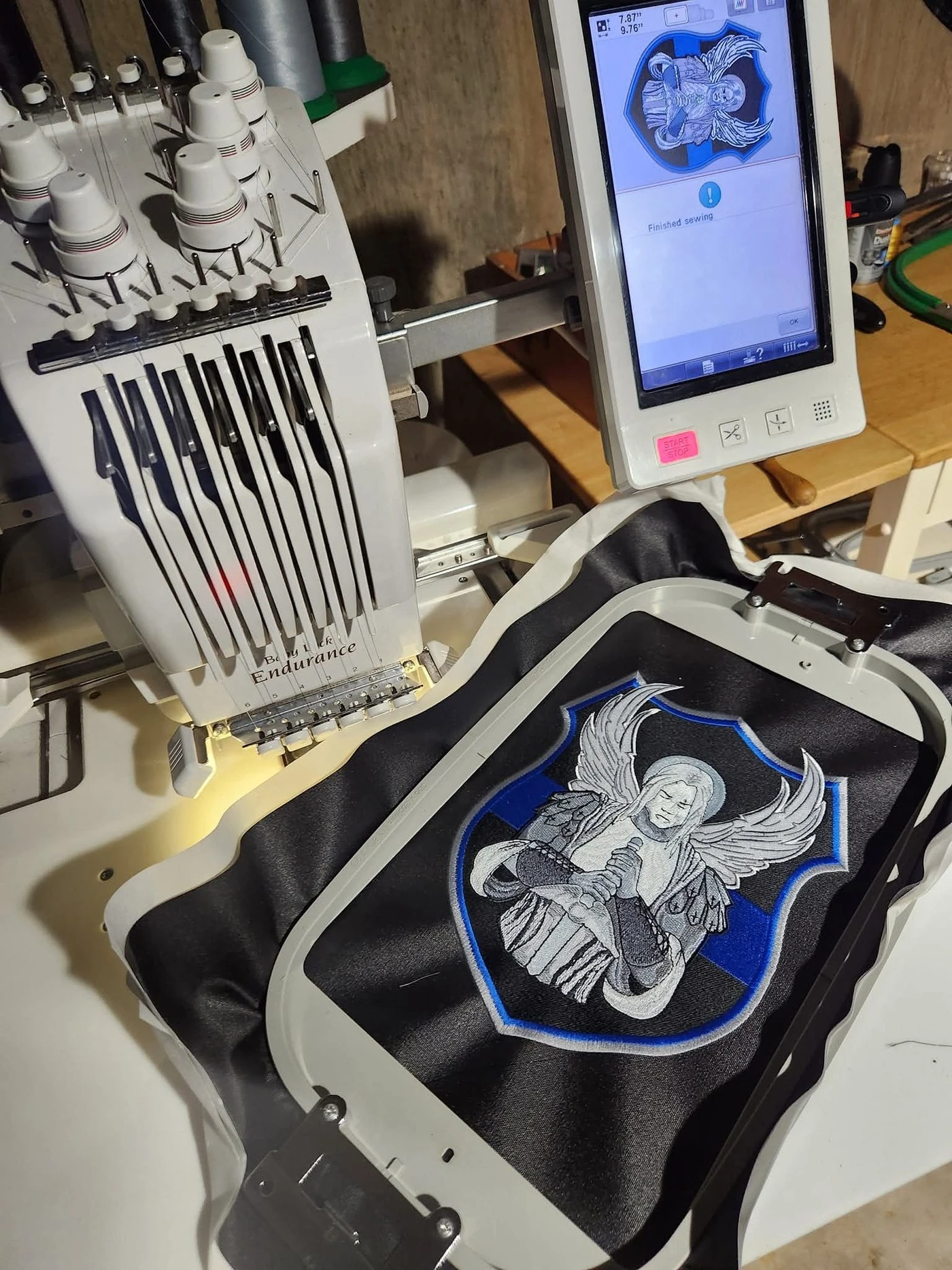
The first thing most clubs ask is what a set of colors is going to cost. It's a fair question, and it deserves a straight answer instead of a number pulled out of the air.
The honest answer is that it depends on how the patch is built. Here is how pricing works in this shop, so you can read any quote you get, from us or from anyone else, and know what you're paying for.
The machine counts stitches, not inches
An embroidery machine doesn't care how big a patch is. It cares how many times the needle goes down. Every one of those is a stitch, and every stitch takes time and thread.
That's why two patches the same size can be priced very differently. A rocker with clean block lettering on a plain background sews quickly. A center patch with a fully stitched background, fine detail, and several colors keeps the machine running far longer.
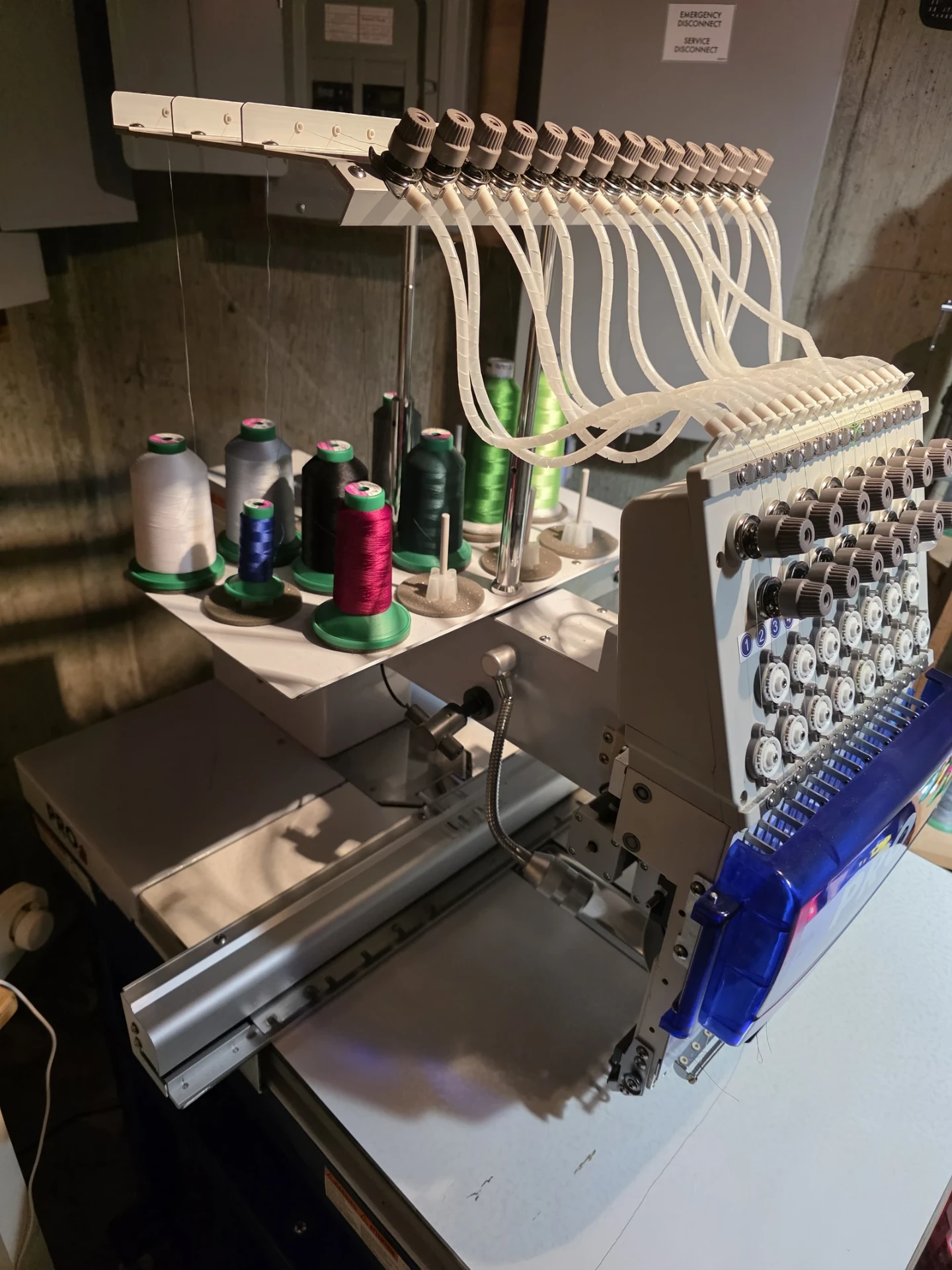
How we price rockers and large patches
Rockers and large patches are priced at $1 per 1,000 stitches.
If a rocker sews out at 12,000 stitches, it's $12 a piece. You can see exactly where the number comes from, and if you want to bring the price down, you know what to change.
How we price small patches
Small, fully embroidered patches are priced by machine time instead. A 4 inch round with full coverage takes close to 40 minutes to sew, which puts a piece like that at about $30.
A small patch with dense coverage keeps a machine just as busy as a large one. Pricing it by the inch would mean either losing money on it or overcharging you on something else.
Digitizing is a one-time charge
Before anything sews, your artwork has to be turned into a stitch file. Every stitch direction, every layer of underlay, the density of each area, and the order the colors run in are plotted by hand by a person who does this for a living.
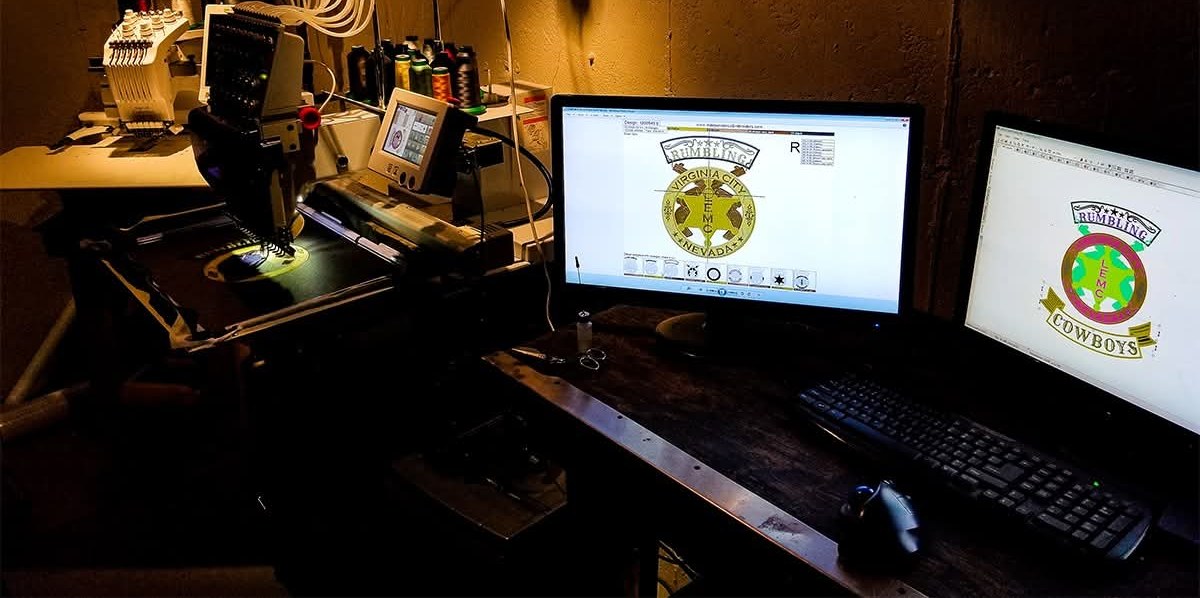
That's a one-time charge per design. Once the file exists, it's archived and used only for your club. Order again next year or in five years, and you don't pay for digitizing again.
What drives the cost up
- A fully stitched background. Filling every inch with thread is the biggest single driver of stitch count.
- Fine detail and small lettering. These take careful digitizing and slower, denser stitching to stay sharp.
- More colors. Every color change adds time on the machine.
- Size. Bigger area, more stitches.
None of these are bad choices. They're often what make a set of colors look right. It just helps to know what each one costs.
Why the cheapest colors cost more
Cheap patches usually start with an automatically converted file instead of a hand-digitized one, run at low density, and use bargain thread. They look fine in the photo. Then the edges start to fray, the fill puckers, and the colors fade after a season or two in the sun and rain.
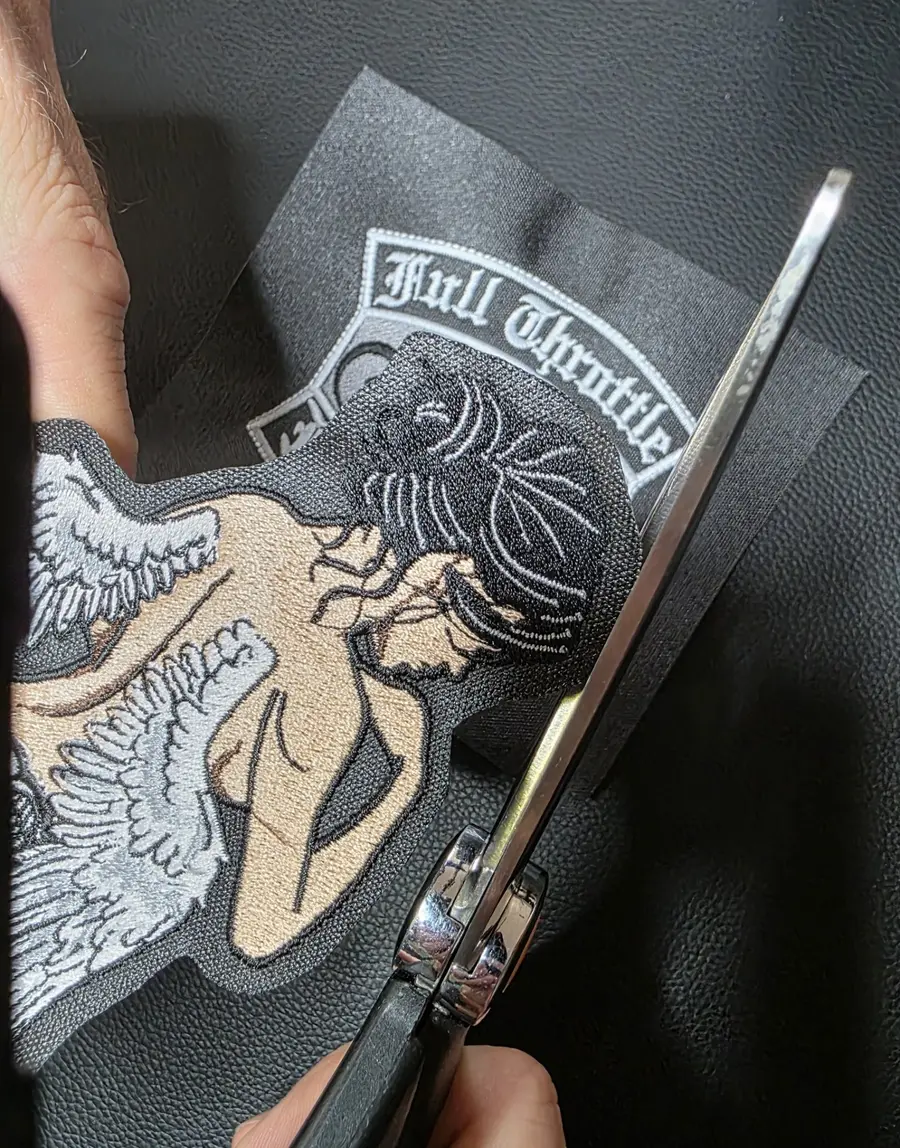
Club colors get worn for years, on a vest, in every kind of weather. Replacing a worn-out set costs more than building it right the first time.
There's also matching. When a new member patches in three years from now, his colors should look exactly like everyone else's. We keep your file, your thread colors, and your specifications, so the new set matches the old one.
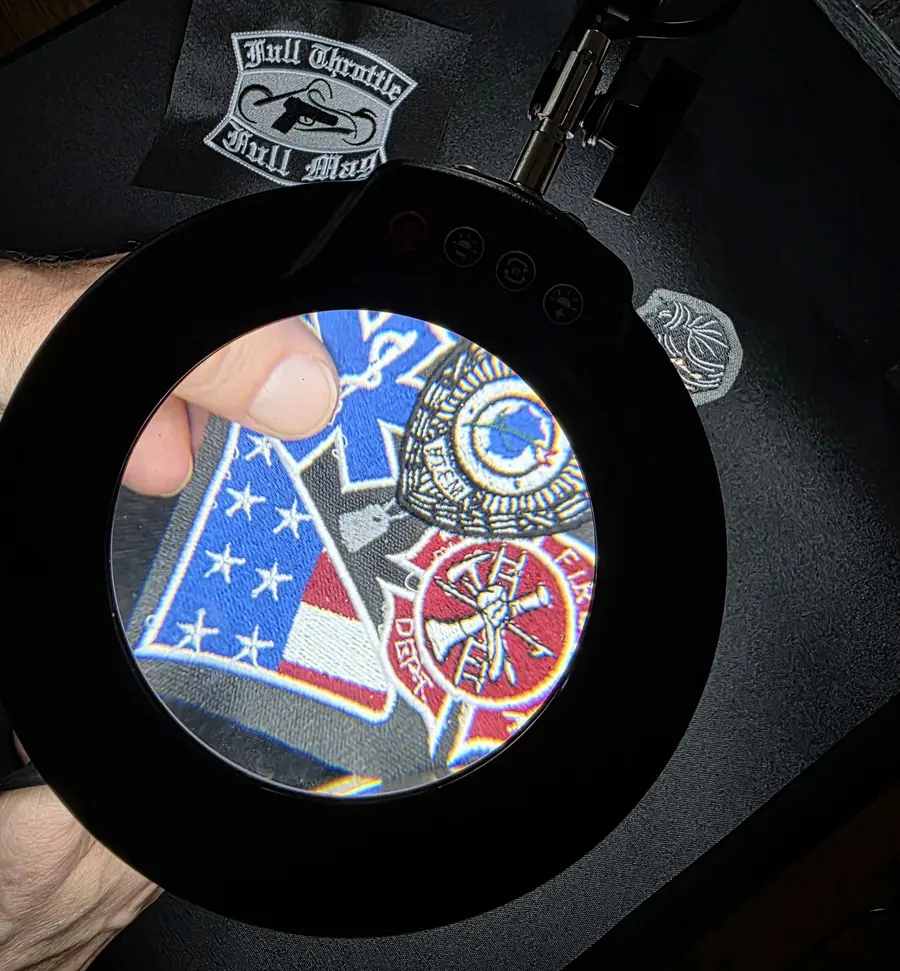
If you're shopping on price alone, there are plenty of places that can serve that need. This shop is built for clubs that want colors to last.
What to send for an accurate quote
- The best artwork you have
- The size of each piece: top rocker, center, bottom rocker, and any front patches
- How many sets you need
- Your backing preference, if you have one
You'll get a real number back, and most orders are in your hands in two to three weeks.
Related: Motorcycle Club Colors